
Instrument Care & Travel

Updated: Aug 29
Since a pipa is mostly made out of one piece of hard wood, or thick pieces of hard wood in general, it is not a very fragile instrument. Generally, a pipa is low maintenance, even during shipping and travel. That being said, it is not invulnerable to general wear and tear as well as environmental effects, and although a pipa travels well, it can still be damaged in transit.
Some simple maintenance can be done regularly or before travel to avoid damage.
Body
Since the body of a pipa is quite hard and doesn’t have a flat neck that needs to be cleaned, taking care of the body itself is often quite simple. More often than not, the instrument will only need a simple wipe down from time to time or even just a light dusting.
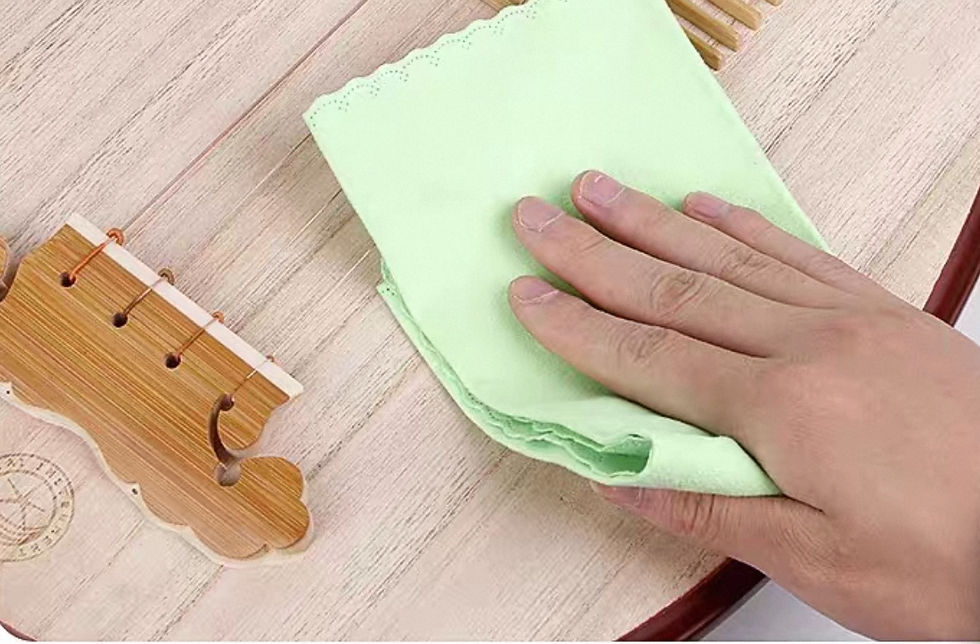
Generally, it is better to use a dry cloth or paper towel to wipe the instrument, avoiding the direct use of water. If for some reason it is considered very dirty or sticky from sweaty hands, lightly dampen a cloth or paper towel and only use it on the body of the pipa, and not the sound board or frets.
Commonly, the frets can collect dust and will need an occasional dry wipe, as will the headstock from chalky tuning pegs, and possibly the decorative headpiece.
The soundboard will likely get darker with age, have an uneven color, or a dirtier look over time. Usually this is unavoidable and is just something that comes from playing the instrument over time. However, all liquids should be avoided around the soundboard and frets, and hands should be clean before handling the instrument as the soundboard can stain easily.
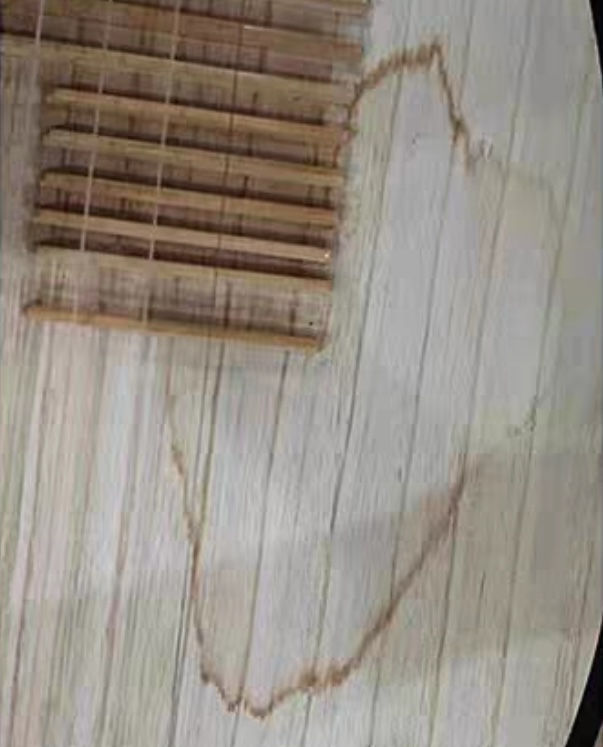
The most common damage to a sound board actually comes from the plastic nails used in performance, especially for students. Long term practice with aggressive tremolo techniques by those who have not mastered the techniques will often, inadvertently, slowly wear away at the sound board between the bridge and the fret closest to it.
Sometimes damage can range from minor scratches, to larger divots, to full cracks or holes. Hopefully over time with practice, the performer will no longer have the issue, however, a thin piece of plastic can be purchased and placed in the area to avoid damage.
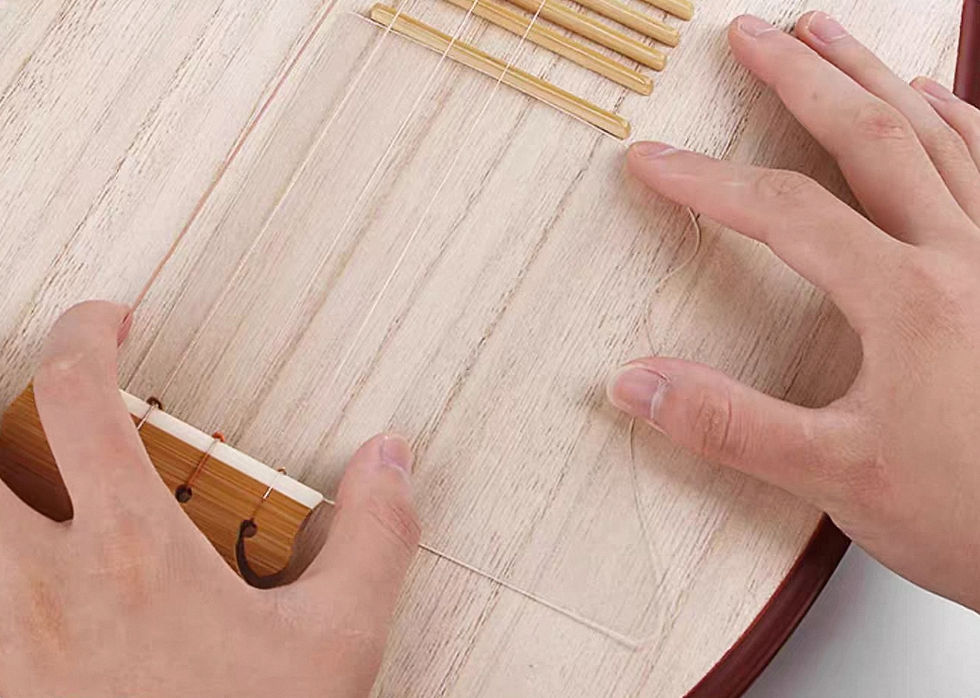
Though pipa frets are glued to the top of the neck and sound board instead of being secured in place by a dado like a guitar, they are generally sturdy. However, depending on environmental impacts, the glue may dry out or re-humidify, and the frets could fall off. This is very rare, as it is more common for frets to be knocked off. Additionally, frets can become worn down over time and require a replacement. In any of these cases, new frets can be glued back on.
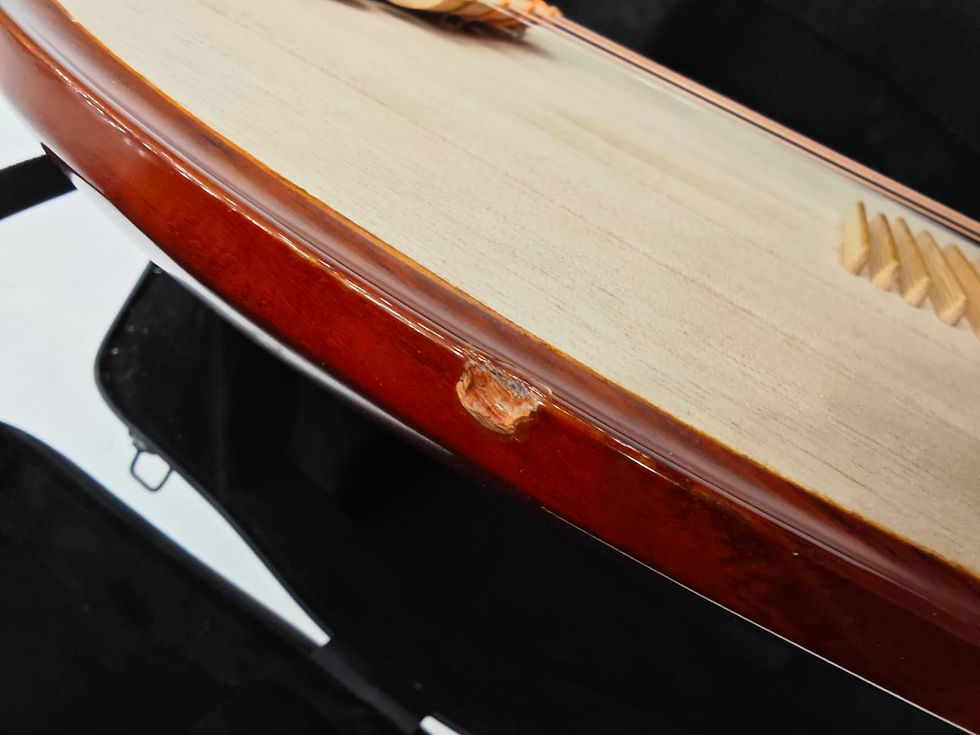
Overall, the body itself doesn’t see a lot of general wear except for the rounded bottom that sits on the players legs. Sometimes the finish on this area can wear down and flake off. It is important not to pick at it, as sometimes the flaking will also wear itself down and not continue further.

Though a pipa is more durable than most instruments, it can still be damaged. Most cosmetic damage does not affect the playability of the instrument, but not fixable either. Similarly, more serious issues, like a hole in the soundboard, can technically be fixed, however at a difficult and large expense.
Tuning Pegs
Tuning pegs on a pipa are notoriously temperamental, with the slightest change in temperature or air quality causing immediate and potentially extreme effects. If tuning pegs are too moist from excessive humidity, they may become warped and slip easily, simply not fit in the hole properly, or get stuck in place. On the opposite end, if pegs are too dry from an overly arid climate, the pegs will get stuck in the holes and not be able to move fluidly, making it very hard to tune.
If pegs are too dry, the part around where the hole is should be lightly soaked in water. In very humid climates, keep the pipa in a room with a de-humidifier that has a light setting or someplace where the pegs can dry out a bit. In either case, a thin coating of chalk should be applied to the area around the string hole, and then placed back in the appropriate holes on the headstock, twisting it around until its snuggly in place and turns smoothy. If it is a challenge to turn, the peg may be pushed in too tightly, or more work is needed to be done to it in the above manner.
The Bridge
The most delicate part of the pipa is actually the bridge. Unlike a guitar where the bridge is either glued flush or bolted to the body, or a violin where it is both moveable and removeable, the pipa bridge is glued to the sound board and slightly curves over the sound hole. Because it isn’t flush on the sound board and the high tension of the strings, sometimes the bridge can break during strenuous travel or when thrown around by baggage handlers.
The way in which is a bridge is broken depends on, how and if, it can be repaired. If there is only small cosmetic damage, or by some luck it breaks off in one piece, a new one could be glued back on easily. However, this is very unlikely.
Most often it will break off in a fragmented way leaving part or parts of it glued to the body. Because of the strong glue used to affix it in the first place, it will be very difficult or impossible to remove remaining bits of the bridge, rendering it impossible to fix.
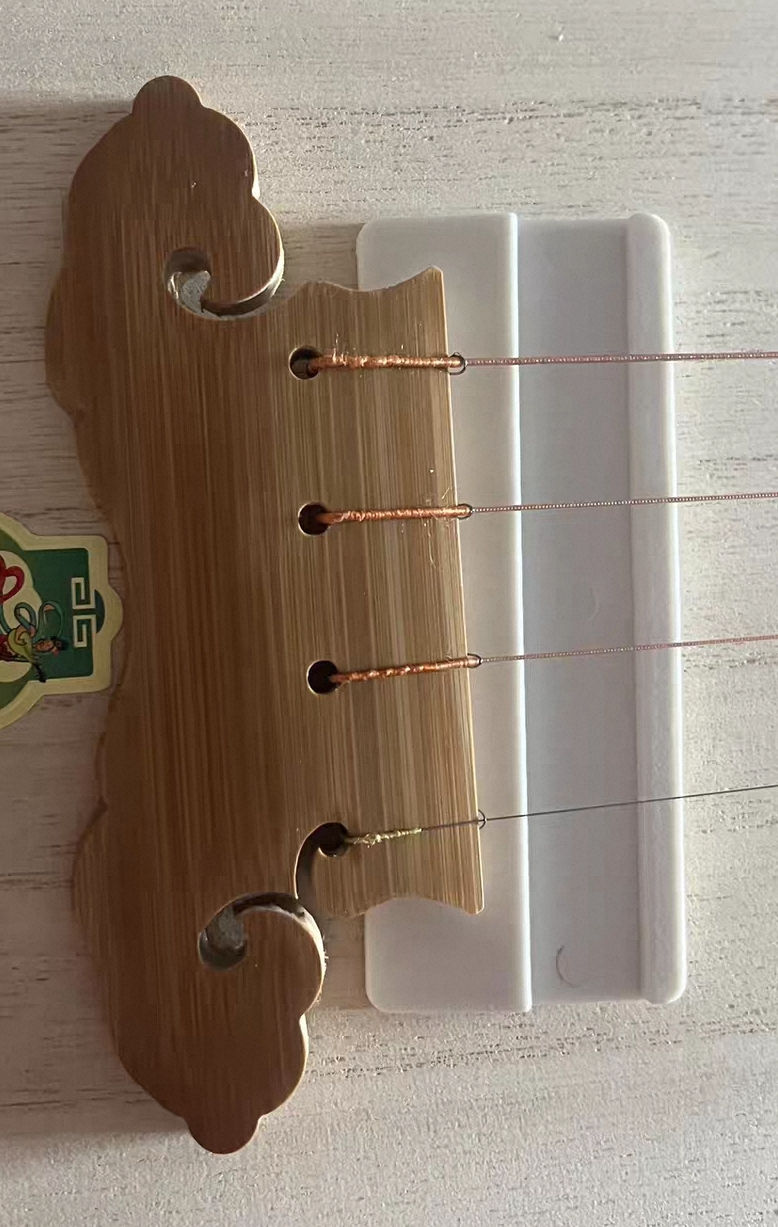
Generally, to avoid this problem, manufacturers and luthiers provide a wedge that is placed in-between the bottom of the bridge and the sound board. This will re-enforce the bridge and keep it from moving. If this piece is lost, a similar piece of smooth, firm plastic could be inserted, or even an average sock could be used.
Strings
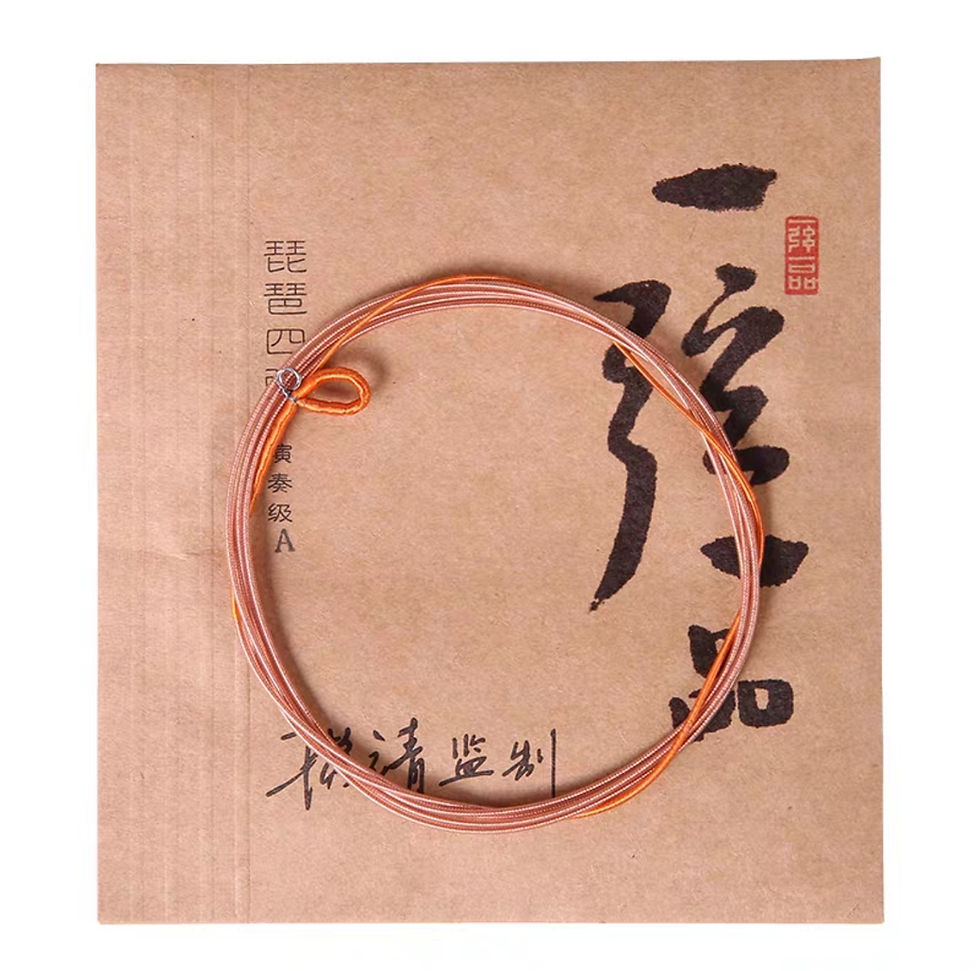
Pipa strings are typically very durable and last a long time. Although there are techniques, that if practiced over and over again in long sittings that can cause the strings to break faster, it is unlikely. Since the bottom three strings are thicker, they seldom break with performance or wear, leaving only the thin, top string that needs replacing at regular intervals.
There are multiple reasons to replace strings. The foremost being if the sound of the strings become too dull or lifeless. However, the most common reason is dirt and rust. Since the bottom three strings are much thicker than the top string, they seldom rust. However specifically in hot periods or climates, sweat can cause the string to rust easily. The other strings can also become dirty, with all four potentially collecting glue from cheaper nail tape near the bridge.
Because it can take a while for the strings to stretch and set, and because the strings wear differently, it is more frequent for the top string to be replaced by itself, rather than all the strings at once.
To prolong the life of the strings, simply wipe them with a dry cloth or paper towel after playing. As mentioned above, it is also important to make sure hands are clean before performance to avoid dirtying the strings.
Storage
When keeping a pipa at home during day-to-day practice, the instrument is generally durable, though as mentioned previously, the tuning pegs can be very temperamental. For the most part, it is only under extreme conditions that a pipa will warp to the extent of causing damage, however there are certain things that can be done to avoid naturally occurring damage, or damage caused in an attempt to fix a problem.
For example, Beijing in recent years has had a very temperamental climate, with very dry winters and very wet summers. During the dry periods, the tuning pegs dry out and become very difficult to turn and keep in tune, while the humidity during wet periods will cause them to come loose. Since the climate has irregular extremes, the condition of the pipa can fluctuate regularly.
There are some methods that can be used to remedy climate issues, but depending on how large the space is where the pipa will be stored, will depend on how those things will affect the instrument. In periods or climates with high humidity, one would logically conclude that humidifiers and de-humidifiers would help with that situation. In a generally sized room, even if it feels very humid, a de-humidifier (bigger than a small desktop one), may actually dry it out too much. On the other end when it’s too dry, a smaller humidifier may only have a mild effect, or just be ineffective all together, and would require a bigger model depending on how dry it is.
Overall, what pipas, and most likely all stringed instruments, dislike the most is heaters and air conditioners, or anything that will cause an immediate and extreme change in temperature. For example, if a pipa has been sitting in a hot, humid room during a recent Beijing summer, and the room suddenly becomes cold and dry too suddenly, it will cause the tuning pegs to shrink and loosen, making it much harder to tune.
This is a common problem, especially when traveling between rooms. For all string players, it is common for a back stage area to be a different temperature than the actual stage, and may cause the instrument to go slightly flat or sharp. The same thing can happen with a pipa with the exception that one or more of the strings may go substantially out of tune or come loose all together. Though its sometimes unavoidable, it is best to try and avoid extreme temperature changes.
Travel
When travelling, the most surprising thing for western musicians, and probably any musician, is that even pipa players with the most valuable instruments opt to travel with a bag instead of a hard case. The main reason for this is because the body isn’t as fragile as most instruments, and because of the hardwood solid body, the instrument is already heavy to carry in a bag. With the added weight of a hard case, especially a very hard one, it can take a real tole on the back and shoulders.
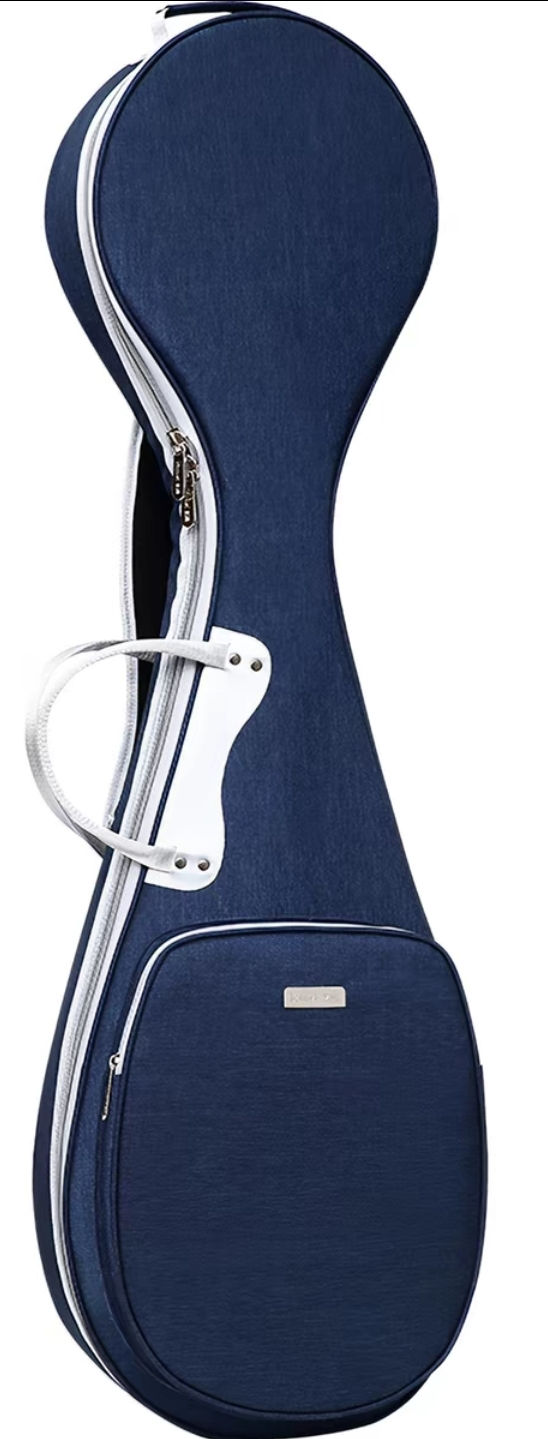
For average day to day movement, even a halfway decent bag works well, and can also be placed on the average guitar stand comfortably. Though harder cases can be bought, they’re usually just made out of some thicker material, often lined inside with Styrofoam (or something similar), with a cloth or hard fabric exterior.
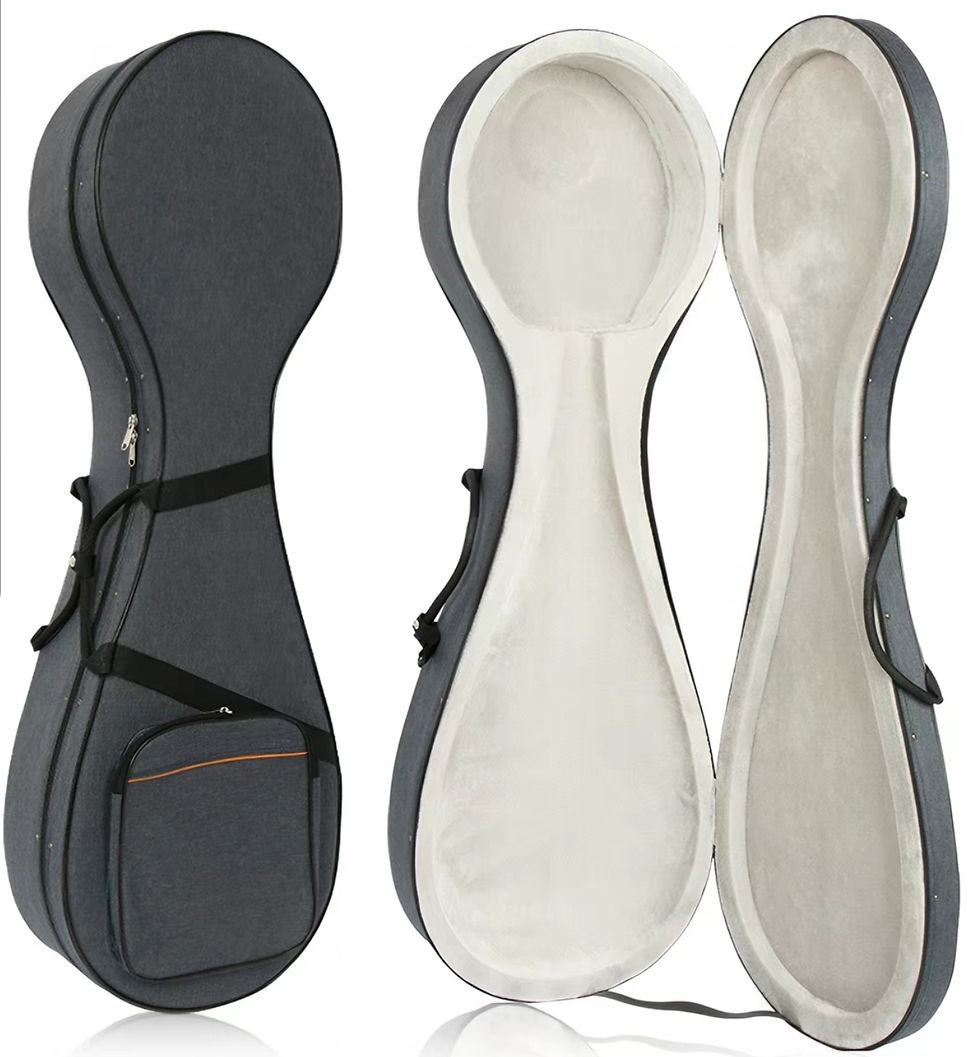
Generally, even during air travel, pipa players will use one of the thicker cases. For the most part, this is fine since most pipa players do not leave China, and do not have to be concerned with long flights, transfers, or customs inspections. Likely for that reason, it is actually somewhat difficult to get a hard case for a pipa.
Typically, airlines inside China will allow for a pipa to be brought as carry on if the pipa is in a soft case. However, it really depends on the agent at the counter during check in, who can sometimes insist the instrument be checked. For shorter domestic travel, especially air travel, a semi-hard case would probably suffice and is highly recommended since it can be a gamble at the airline check-in.
For longer or more intense travel, a hard case can be purchased. The small majority of hard cases that can be bought are actually, also semi-hard, with the shell usually being made out of a flexible plastic. Depending on where pressure is exerted on the case, the plastic can be very sturdy, though in some situations, flimsy.
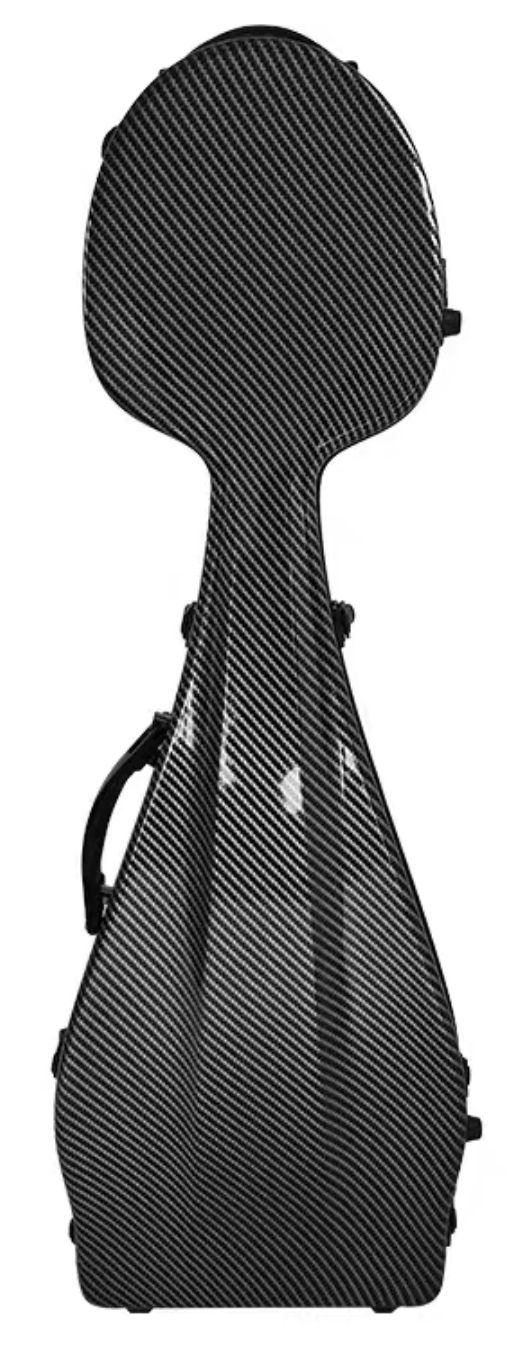
Though it would take someone actually making a calculated effort to cause damage, it will likely be fine during travel. With this type of case, it is highly recommended that the pipa be put into a thin, slip bag or some other covering as the pipa may not fit perfectly snug in the hard case, and during rough movement, can cause cosmetic damage.
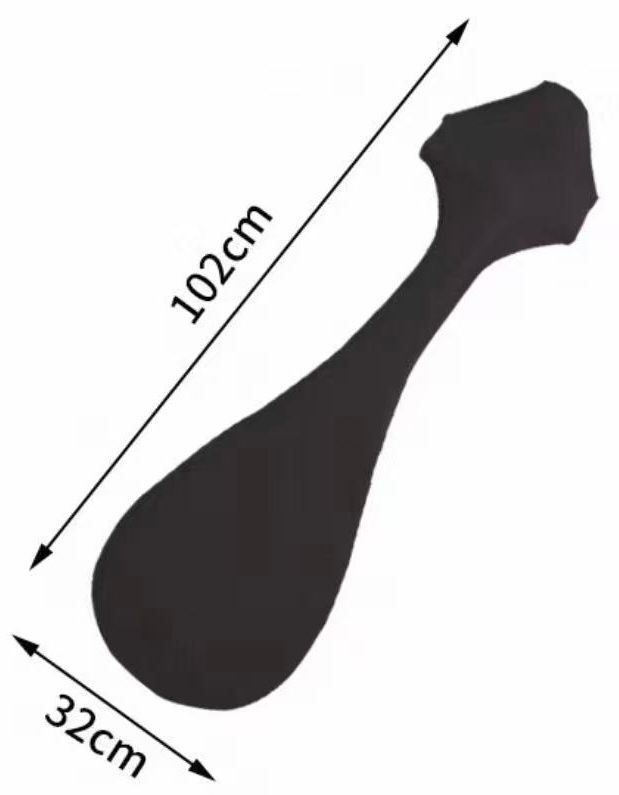
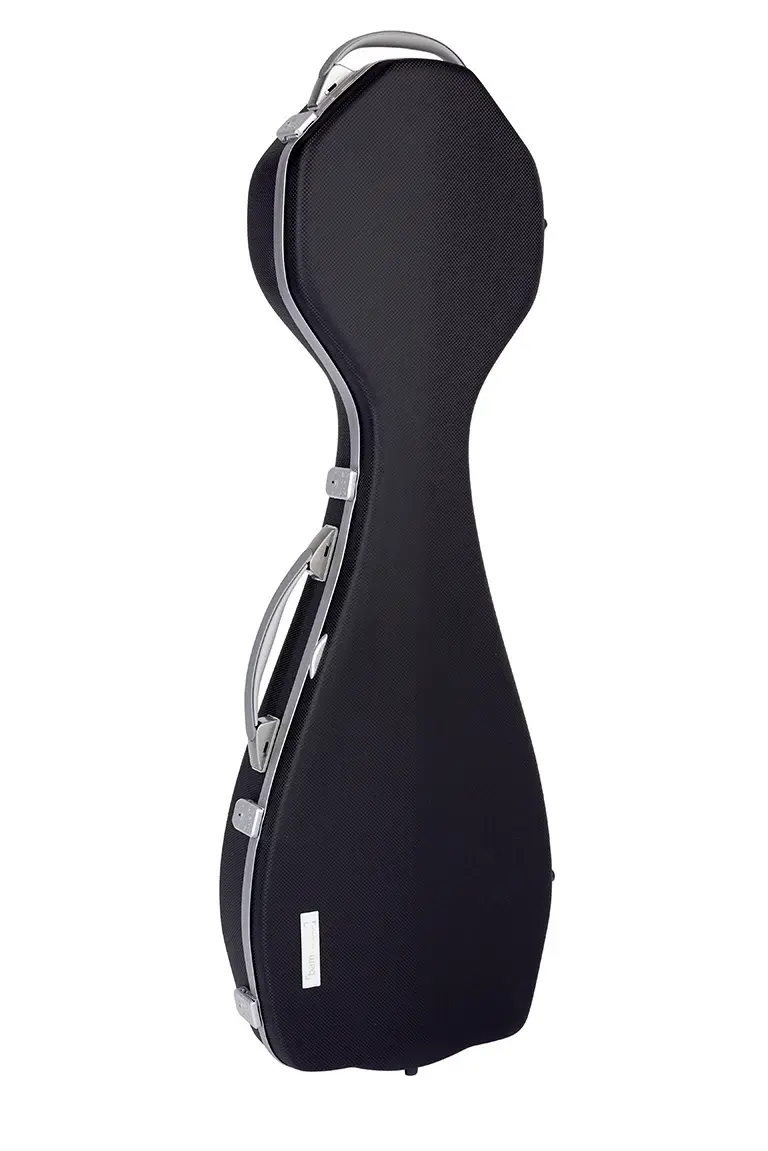
If a truly hard case is desired, Bam makes them for Chinese traditional instruments, and are likely the only maker. However, the price of the case will most likely far exceed the value of the actual pipa, so it is only worth it to purchase for very valuable instruments.
Professional performers who do travel internationally will often do anything to avoid checking their instruments and plan accordingly to assure they carry it on. But in many situations, performers will travel with two or more pipas, leaving them in a semi-hard case and storing them in flight cases that they can pack themselves and check or ship.
Packing the actual instrument in the case is also quite simple. Ever since the first person set foot on a plane with a stringed instrument, it has been a hot and furious debate about whether to loosen strings or not before getting on a plane.
Some swear that the strings must be loosened to avoid damage, some swear that loosening the strings will actually cause damage. Since there is not a known scientific study to draw a conclusion to this debate, it comes down to experience.
In reality, either situation is probably fine, though because the string tension is so high and the bridge vulnerable during travel, it might be better to loosen the pegs only slightly, and absolutely remember to re-enforce the gap between the bridge and sound board. As mentioned above, a slip bag or another covering is recommended to avoid cosmetic damage and to avoid the instrument sliding around inside the case.


Comments