
Anatomy of the Pipa

Updated: Aug 21
The first thing that stands out when seeing a pipa on first sight is its unique shape. Although it has the typical working parts that are seen on a western stringed instrument, more specifically within the violin family, the look, specifically the tear drop shaped body and ornamental head piece, make it uniquely attractive.
In Western countries, the instrument is often compared to a lute, mostly likely because of the ancient context of both instruments, and that they are both plucked. In a more modern context, it could be considered a kind of a cross between a viola (in terms of range, though it is held more upright like a cello), and a banjo (in terms of a similar manner of playing in basic terms, use of frets, and a general similarity in sound).
The body and neck (but not headstock) are carved out of one piece of hard wood, most commonly rosewood, or black and red sandalwood for higher quality instruments, and basswood or wenge for student models. The main part of the tear drop shape is semi-hallowed out, with two small ledges carved into the periphery of the inside, one for the sound board to be placed on top, one decorative.
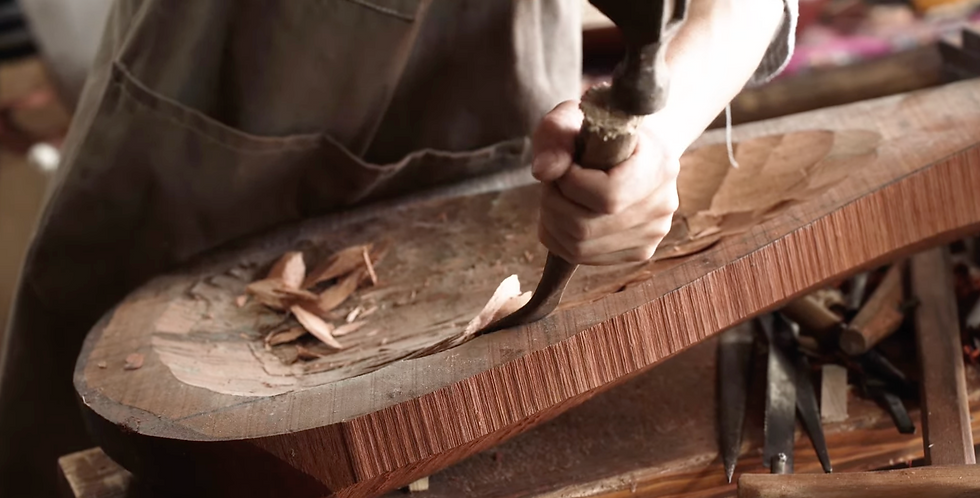
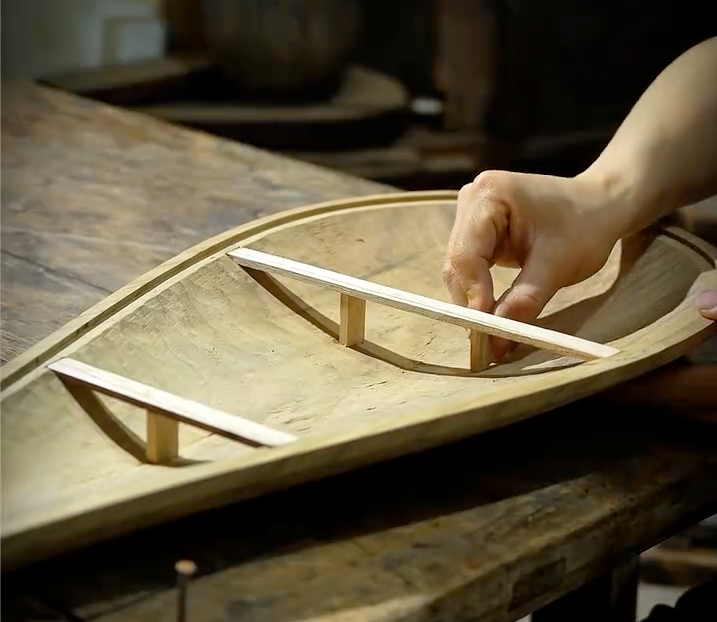
Additionally, notches will be cut into the bottom ledge to place braces and sound posts.
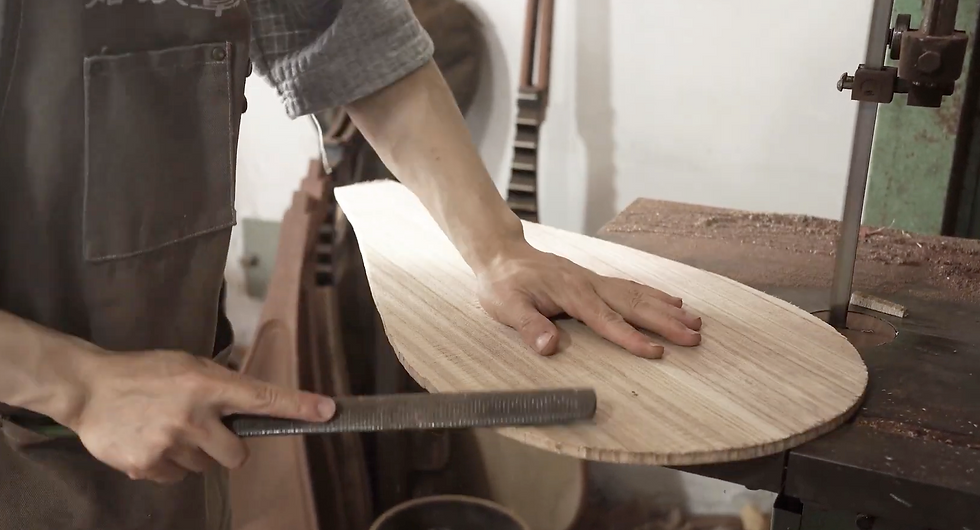
The sound board is then cut out of, usually paulownia wood, and placed and glued over the shallowed-out section.
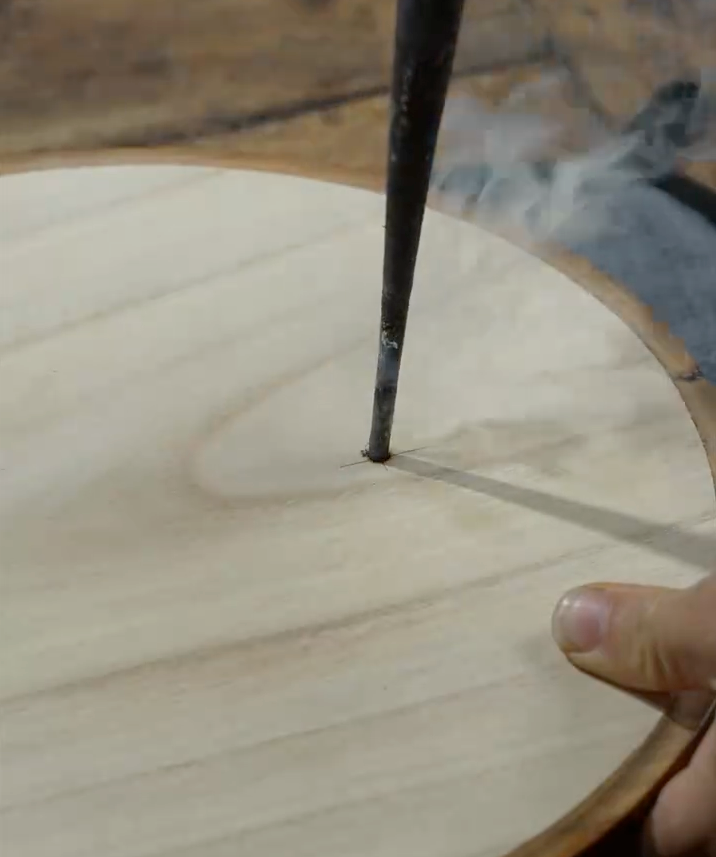
After drying and setting, a small hole towards the bottom of the sound board is either drilled or burned into the wood to create a small sound hole.
Over it, will be placed and glued the bridge which will slightly arch over the sound hole.
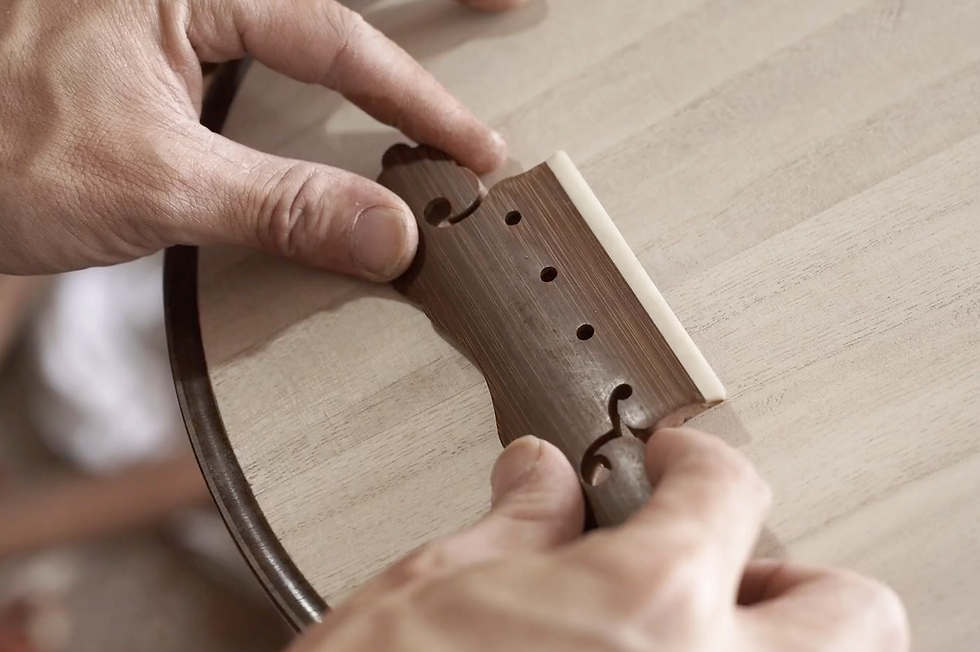
To match the body, the head piece is carved out of the same type of wood in an ornate shape. Typically, there are two types of headstocks, one that curves around with an ornate decoration on the front, and one that flows back in the ming dynasty tradition.
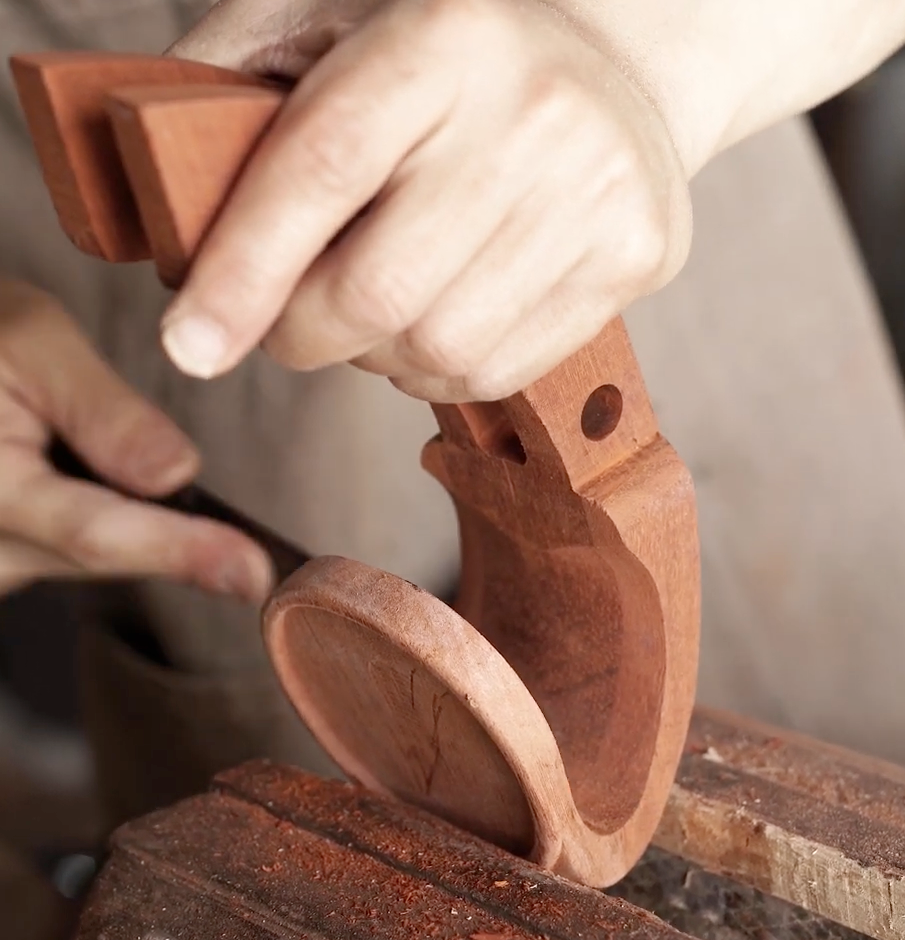
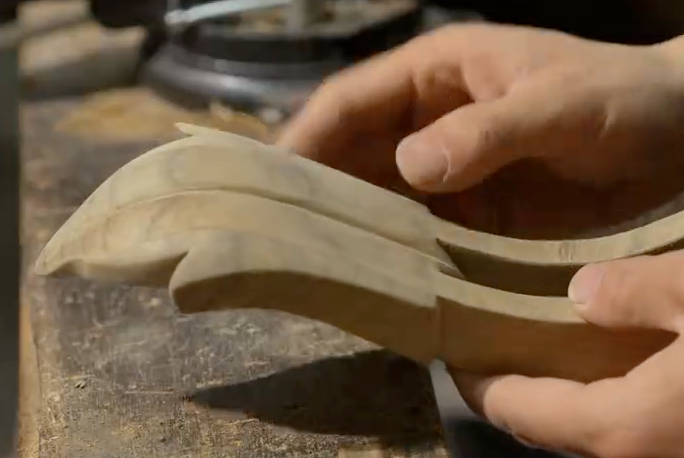
Depending on the shape, the headstock may be carved out of a few different pieces of wood that are glued together in a block. Once the headstock is carved, holes are burned into the sides for the tuning pegs, and then glued to the main body.
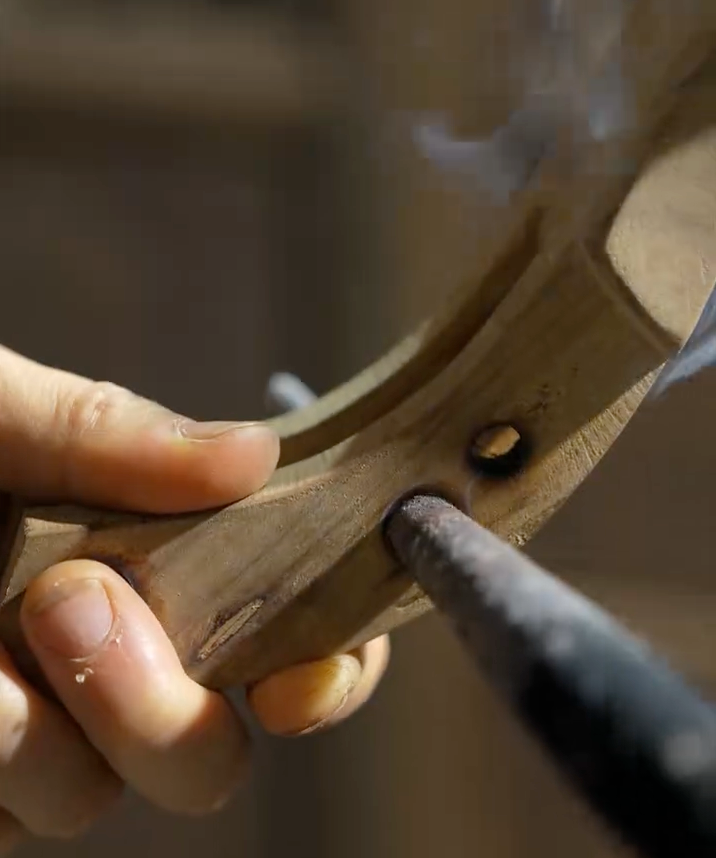
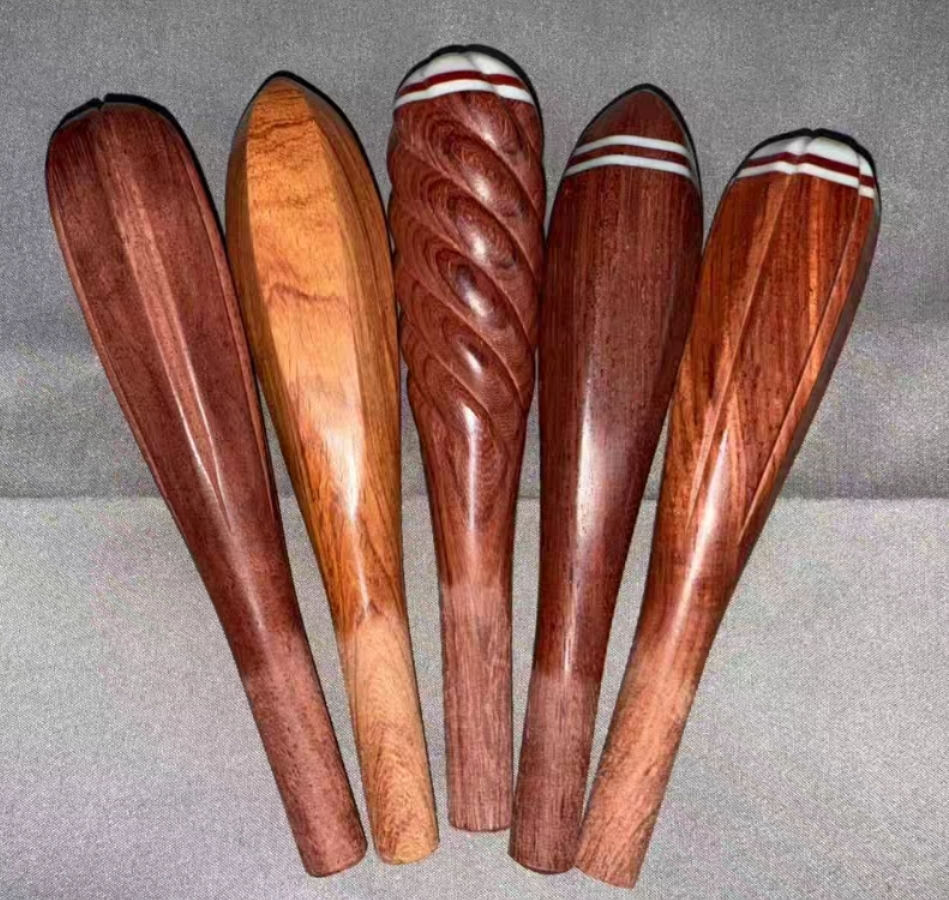
Tuning pegs are typically chosen for decorative purposes, sometime matching the wood of the body, though sometimes made out of a different wood or material such as bone or antler.
Once the main body is complete, the spacings for frets are measured, and then glued from the headstock, down the neck, and almost all the way down the body.
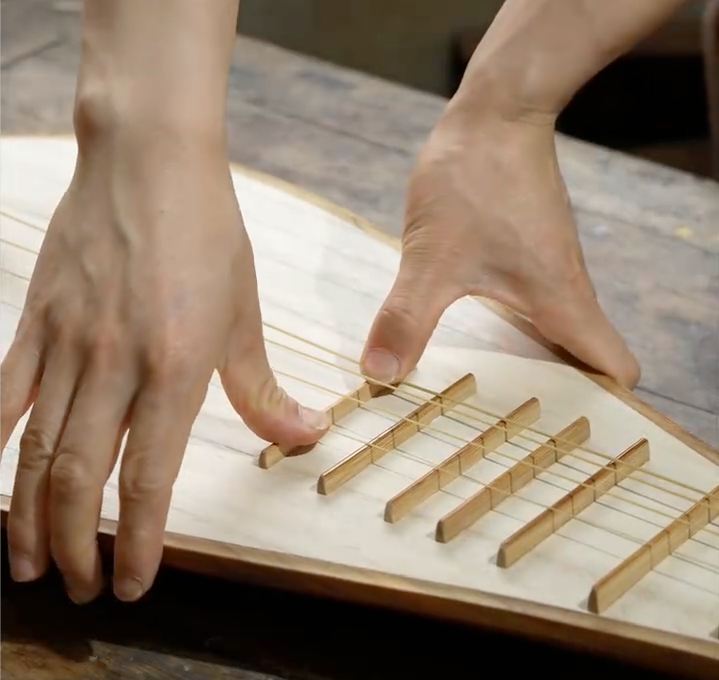
The frets on the body are almost always carved out of bamboo, while the material for the triangular neck frets is chosen for decorative reasons.

Some are made out of the same wood as the body to match it, some have mother of pearl or other decorative inlays, and some more traditional style luthiers use boiled animal bones, which is considered lucky.
For the finishing touches, the body is sanded smooth and stained, adding the tuning pegs, which are also made out of materials for cosmetic purposes, and if designed for one, a decorative headpiece. The head piece is usually carved in traditional a design, most commonly a flower or a dragon.
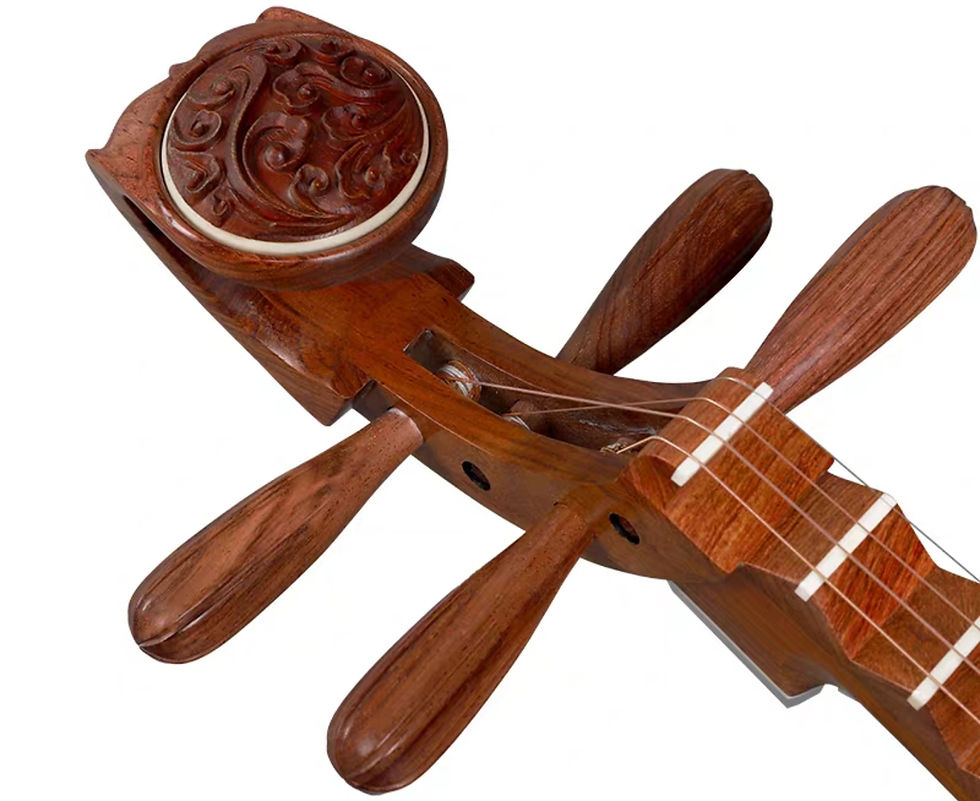
It can be made out of various types of material, sometimes wood, sometimes porcelain, sometimes a mix of both. Most commonly though for student and intermediate instruments, they are made out of plastic.
Unlike most stringed instruments, the pipa is quite a heavy instrument. Though many stringed instruments are made out of hard woods for their sound, the wood is milled down into thin pieces, with the body being made of at least four different pieces; top, bottom, and sides that are glued together. This makes the instrument much lighter, as opposed to the pipa which is about seventy five percent one solid piece of hard wood.
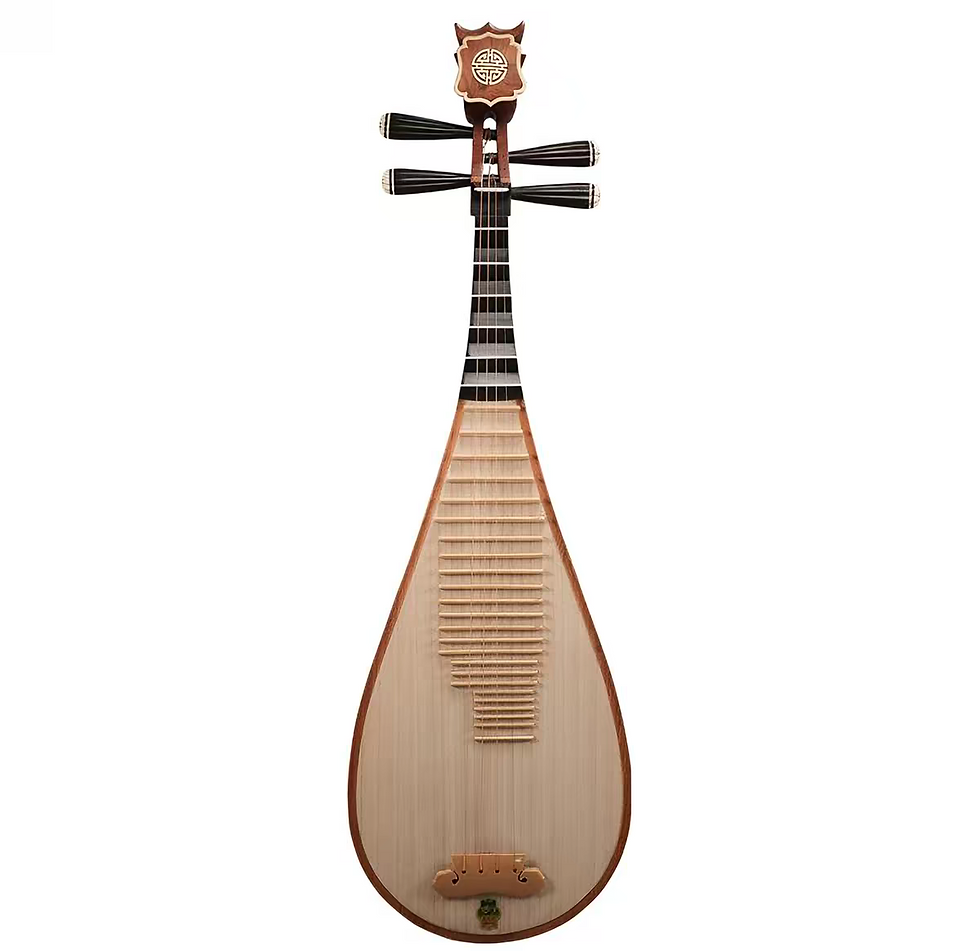
Though it may seem simplistic in design, it takes great skill to make a quality pipa. Over thousands of years, the art of making the instrument has refined into quite possibly the most unique and versatile of traditional instruments.


Comments